When should you visit Japan? You will find loads of people on social media recommending particular times. To be honest, I often don’t agree with what’s being said! Or at least wish they gave more information.
So when should you go?
This is a brief blog post (I’ll go into more detail later), but for now, the quick answer is – it’s personal!
I usually see others telling people to go for the cherry blossoms. By this, they usually mean Tokyo and the nearby areas around late March…maybe early April. But they don’t tell you how easy it can be to miss them. Or how busy it will be! I also see some recommending the summer (June-September) without any caveats…and that’s irresponsible. A very hot and humid time of the year book-ended by potentially dangerous weather!
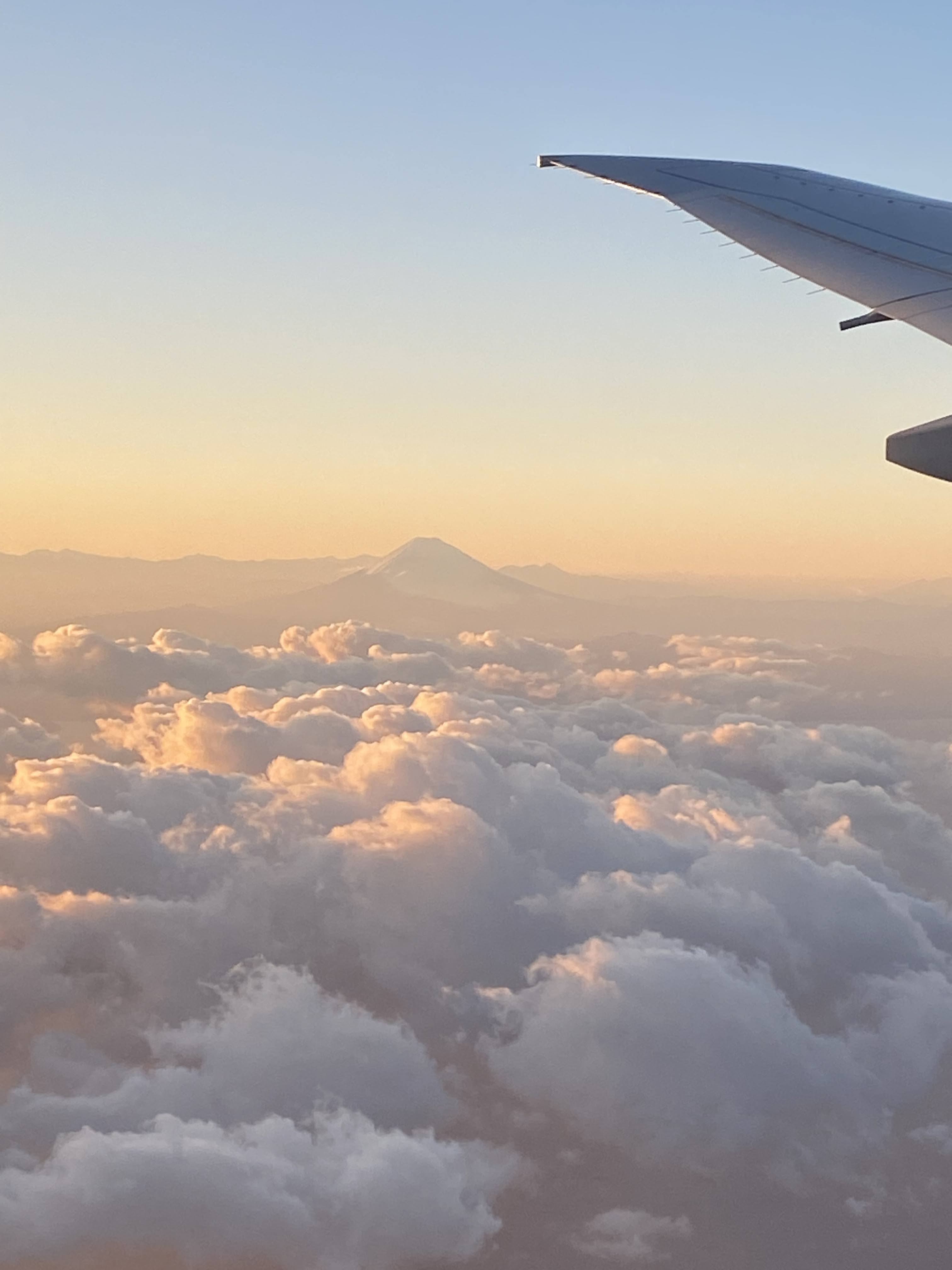
So here’s my brief guide to when you COULD [not should] visit based off your own preferences.
Firstly, ask yourself what it is you want to get out of your trip? What do you want to see and do? Do you mind crowds? How do you cope in very warm weather? How about the cold?
SPRING
Most want to see the cherry blossoms. Japan is, of course famed for its blossoms, and I myself have gone to Hanami events, but there is so much more to discover in Japan outside of Hanami (cherry blossom season). Thing is…you have to time it right. If there’s loads of rain and wind the blossoms are even shorter-lived and you might arrive to find them done for the year. My first Hanami living in Japan was a bit of a wash out and the Hanami event at Camp Zama I wanted to go to was rained off.
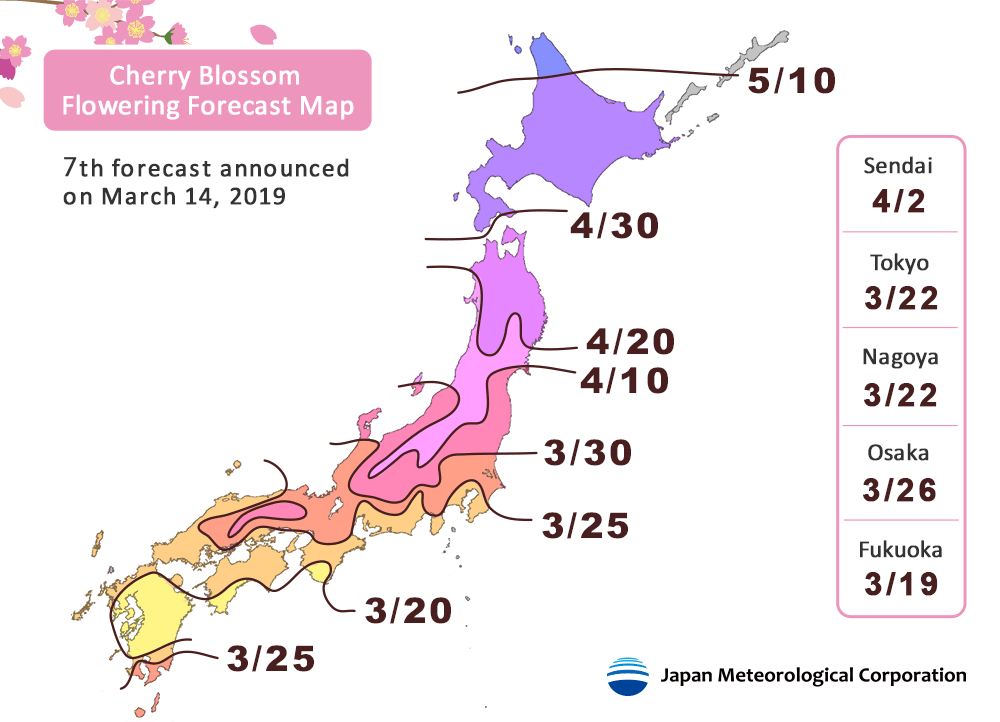
If you’re prepared to travel away from Tokyo (I highly recommend you do), you can catch the cherry blossoms elsewhere at different times. The blooming starts early on (around mid-March) in the far west and spreads up through the country with areas like Iwate and Akita seeing blooms mid-April, before finishing in Hokkaido as late as early to mid-May! So there’s still a chance to catch them in a less touristy area outside of that usual touted window (late March into early April).
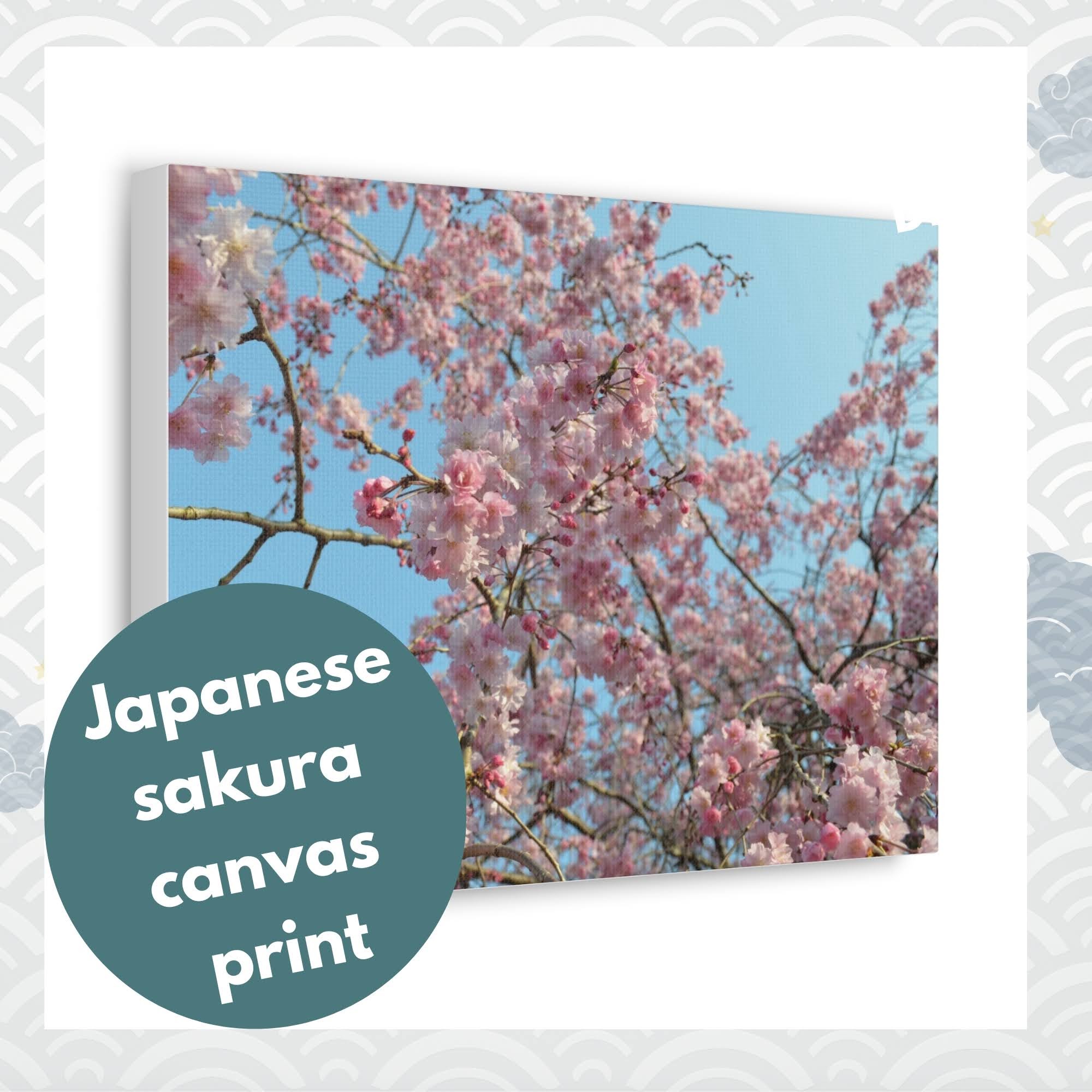
In terms of temperatures, I found the spring to be a bit warmer than I was used to in the UK. April and May are certainly warmer, and more sunny!
I liked this time of year in Japan, but it is also when it seems most full of tourists all going to the same places. If you really don’t like crowds this isn’t the best time to plan your trip if you want to go to the really famous places. They’ll always be fairly busy, but it’s a certainty in Spring.
My Top Tip
Check out the Sakura forecast maps from the last few years. You’ll get an idea of where to go when.
SUMMER
Now don’t get me wrong – there is a lot of charm and fun still to be had in Japan in the summer, but I think people should be in full knowledge of the facts. Late May into June can be very wet. It’s not called the rainy season for nothing. It’s not unheard of for there to be landslides after heavy rain, so you should take this into account when planning a trip. Late August (into early October) can also pose a problem as this is typhoon season which can also cause safety and travel issues. When I lived there a tanker smashed into Kansai airport bridge during Typhoon Jebi (early September 2018)! I’ve also been out travelling with a typhoon barrelling up the country behind me. Although it was hours away, the weather was still very stormy (and scary)!
You also need to be aware that after a storm, hornets can be displaced and very angry about it. The day after a storm might look like an ideal calm clear day to go for a hike, but it might be a terrible mistake! Oh and look out for the bears and snakes! And black widow spiders in some areas!
Talking of bugs! Japan is full of bugs in the summer! Sometimes this was delightful (I saw some beautiful beetles, luna moths, and huge swallowtail butterflies in urban areas!), but other times it was scary, annoying, or potentially dangerous! I came across a few hornets which scared the hell out of me. We also had to contend with a few cockroaches in the summer (I’ve never seen one in the UK!). I’m also a magnet for mozzies! Within minutes of arriving back after a trip back to the UK one summer, I was bitten! I also walked through Yanaka cemetery one June day, to find signs up warning about dengue fever the other side (there were none were I’d entered)! Thankfully I wasn’t bitten that day!! Sometimes parks (including those in Tokyo) can be shut due to dengue fever risks! Make sure you check signs before entering!!
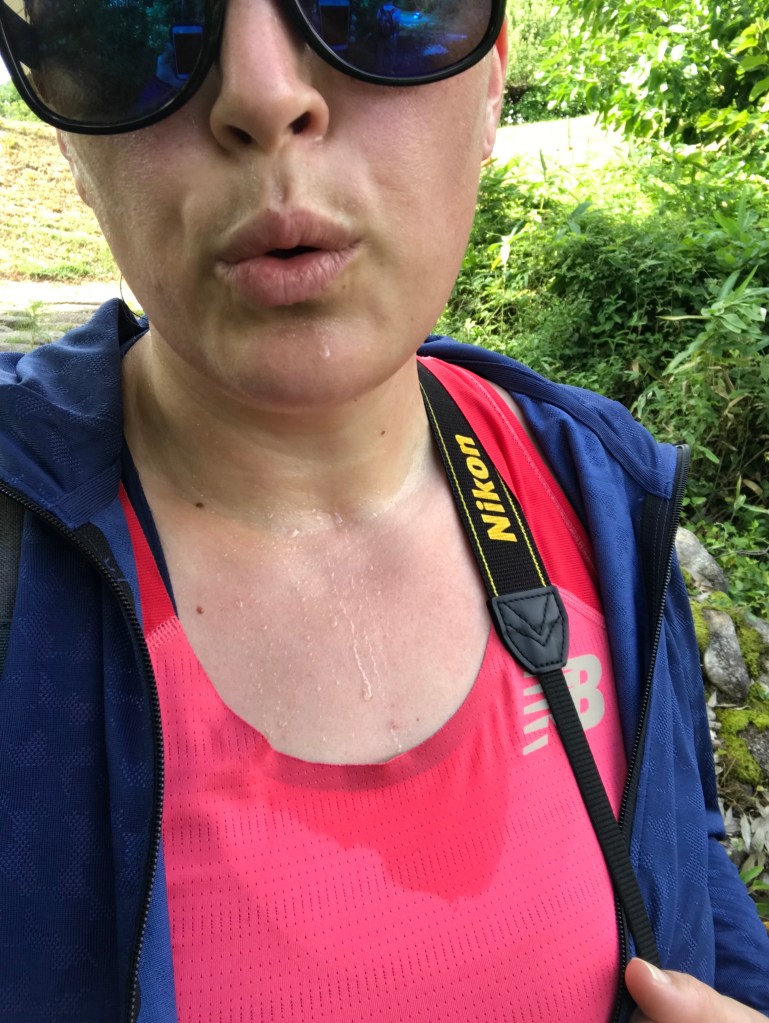
In terms of the weather…it can be tough! Most places have air con, but it can be sticky and hot on the street/ on the way to temples etc. Heading north is an obvious choice!
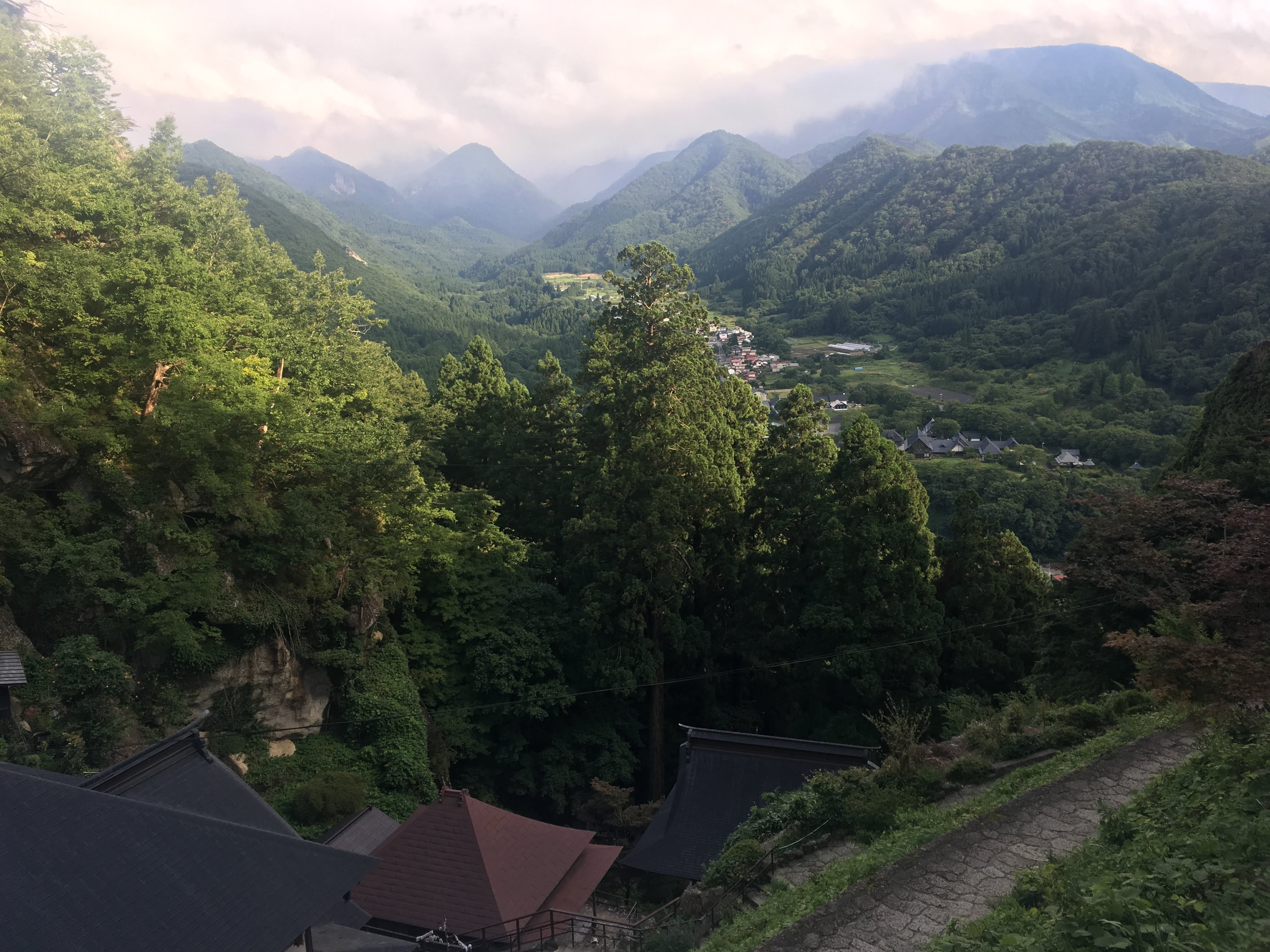
I appreciate I’ve been quite down on summer, but mostly that’s because I’m a polar-bear-radiator-hybrid pretending to be a human, and I don’t like the heat. And the humidity makes it worse! But summer is also a lovely time to experience loads of Japanese festivals and see traditional dancing. It’s also a great time to see particular flowers in bloom – like hydrangeas.
Last note – if you really want to see Mt Fuji, summer may not be for you. It lose its famous snowy cap in the summer. However, this makes it ideal if you fancy hiking up it (only possible in the summer).
AUTUMN
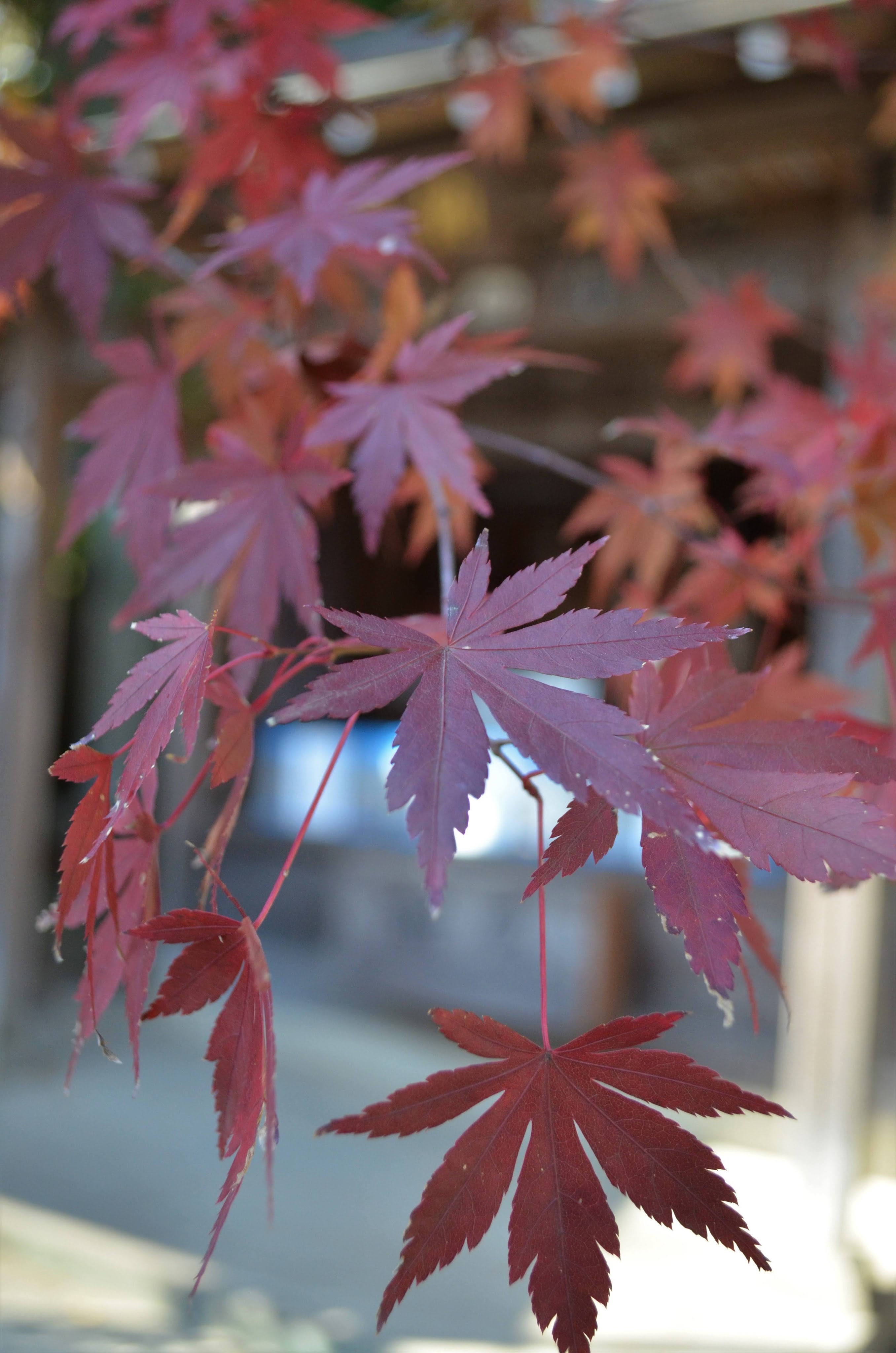
Autumn was probably my second favourite season. At times it was still too hot for me in to October, but it’s also when everything feels like its calming down after the intense heat of summer, and the changing colour of the leaves is truly a sight to behold. Koyo (red and yellow foliage) and momiji (red maple leaves) fill the mountains and countryside, and make some areas hot spots for tourists (just like Hanami). Mt Takeo and Nikko are two that spring to mind.
Weather-wise…it can be mixed. Early autumn can still be quite warm, and late autumn can be crisp and cool.
WINTER
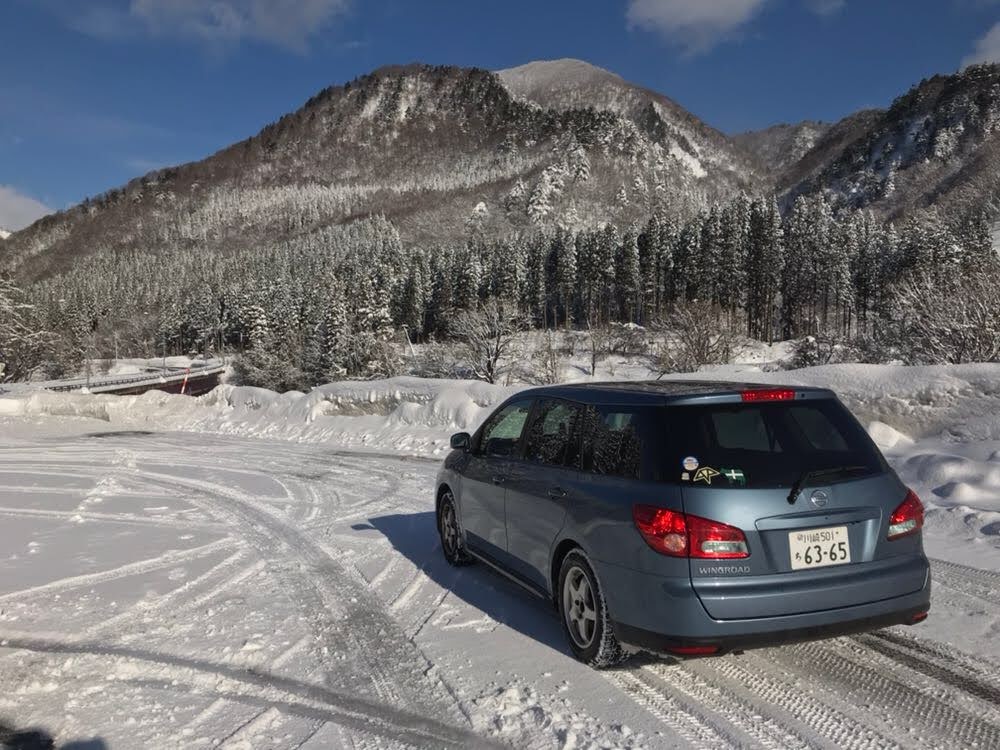
I found early Japan winters, on the whole, to be fairly mild around the Tokyo/ Kanagawa and Kyoto areas. Somedays I could get away with a jumper November-January if it was a sunny day. However, the day is short – the sun starts to disappear around 3pm – and it gets noticeably colder after sunset. Of course, if you want to visit a more northern area (Nikko, Gunma, Gifu…all the way up to Hokkaido), or somewhere exposed (like Mt Nokogiri in Chiba) then you should absolutely wear proper insulated clothing.
Winter is personally my favourite time to visit. Mt Fuji has it’s snowy cap on (it looks different in the summer without its white cap), the snow in Japan is excellent for those that snowboard or ski, the snow monkeys in the snow is a great experience, the warming Japanese food (like oden) is all the more enjoyable, there’s less tourists (not none, but less), and an onsen feels even more beneficial after a cold day out.
There is the possibility of snow in the lower areas January-early March! It can snow at any point before Christmas, but its more likely afterwards.
Final note – I’d suggest layering clothing if you’ll be going in and out of doors. I found that the Japanese tend to have the heating (air con) set higher than I would have my central heating (radiators) on at around 25-27 degrees! Much too warm for this polar-bear-radiator!
 TabibitoPhotography